About the programme
A working pathway into marine conservation
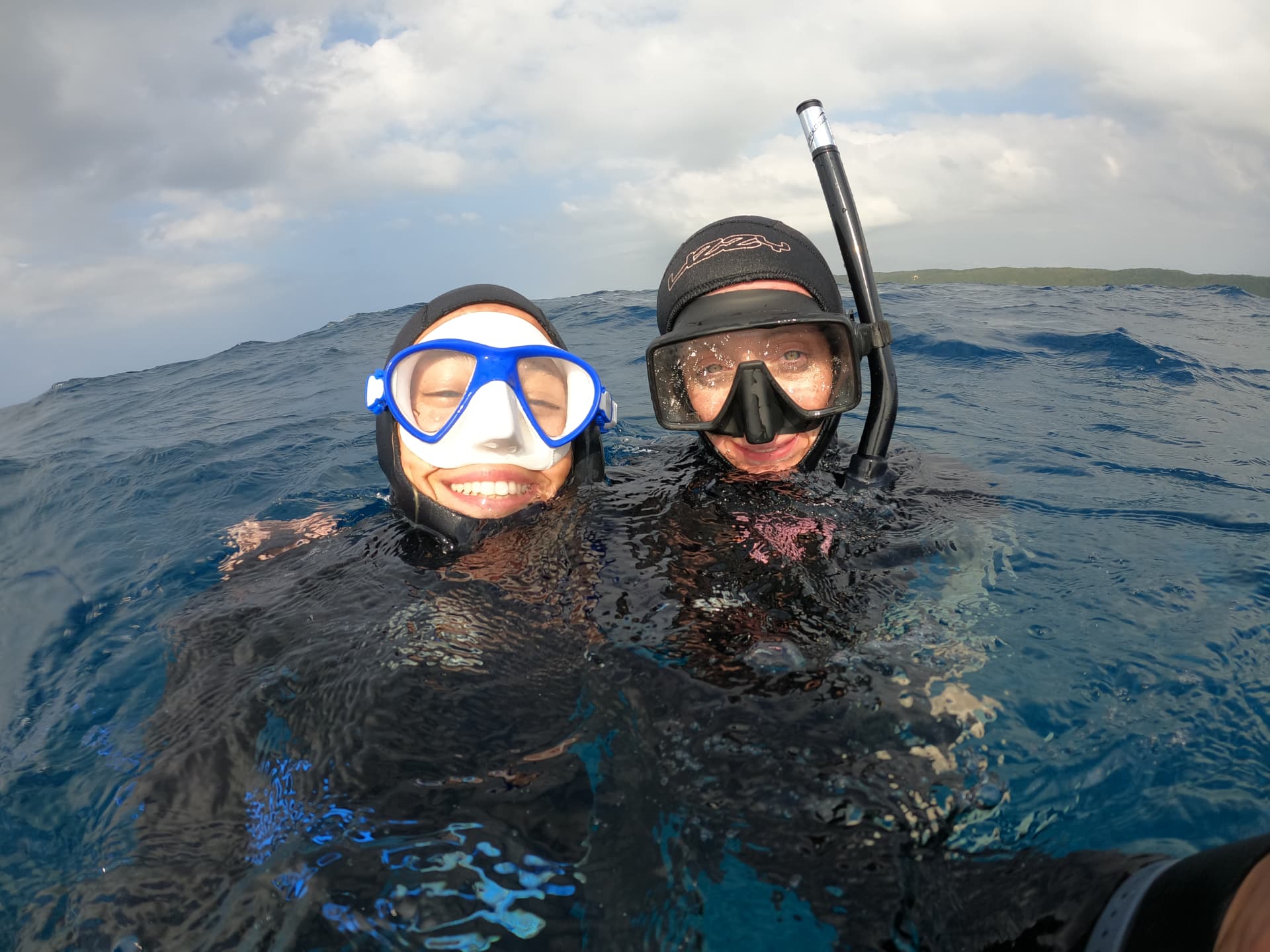
The Aliwal Shoal Ocean Leadership Programme trains young people from communities around Umkomaas on the KwaZulu-Natal South Coast to become working marine conservationists. The training happens at the Aliwal Shoal Marine Protected Area, five kilometres offshore, one of the world's top dive sites. No university degree is required to start. The Aliwal Shoal Ocean Leadership Programme was created and is led by Dr Michelle Carpenter.
01 · The place
Aliwal Shoal
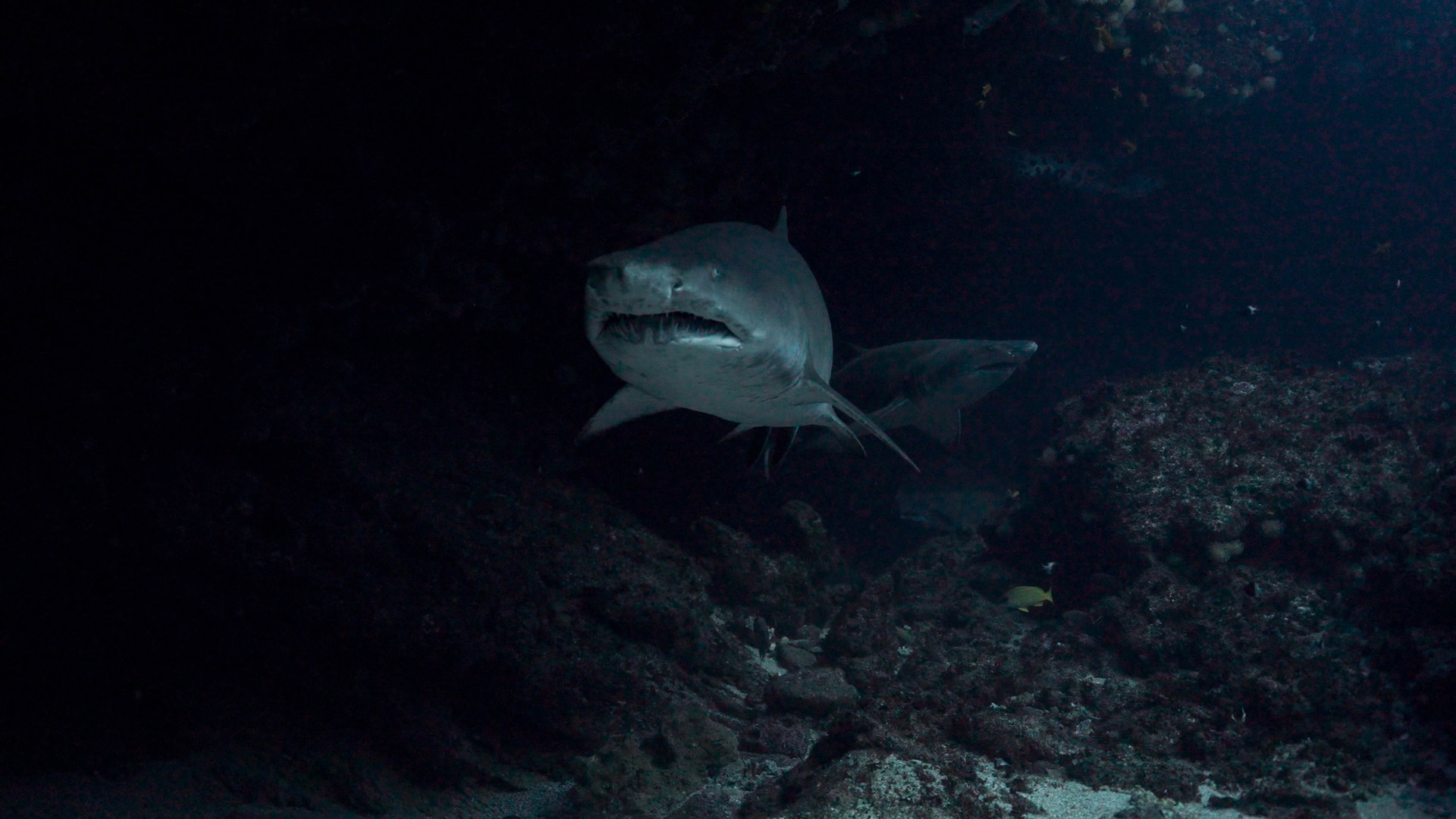
Aliwal Shoal has been a Marine Protected Area since 2004, protected after sustained pressure from overfishing and the aquarium trade. It sits where tropical and temperate systems meet, which makes it exceptionally biodiverse.
The shoal is critical habitat for ragged-tooth sharks, dusky sharks, sea turtles and threatened rays including the Shorthorned Pygmy Devil Ray.
Umkomaas, KZN South Coast
- Distance offshore
- 5 km
- Coordinates
- 30.2517° S, 30.8225° E
- Protected since
- 2004
02 · The founder
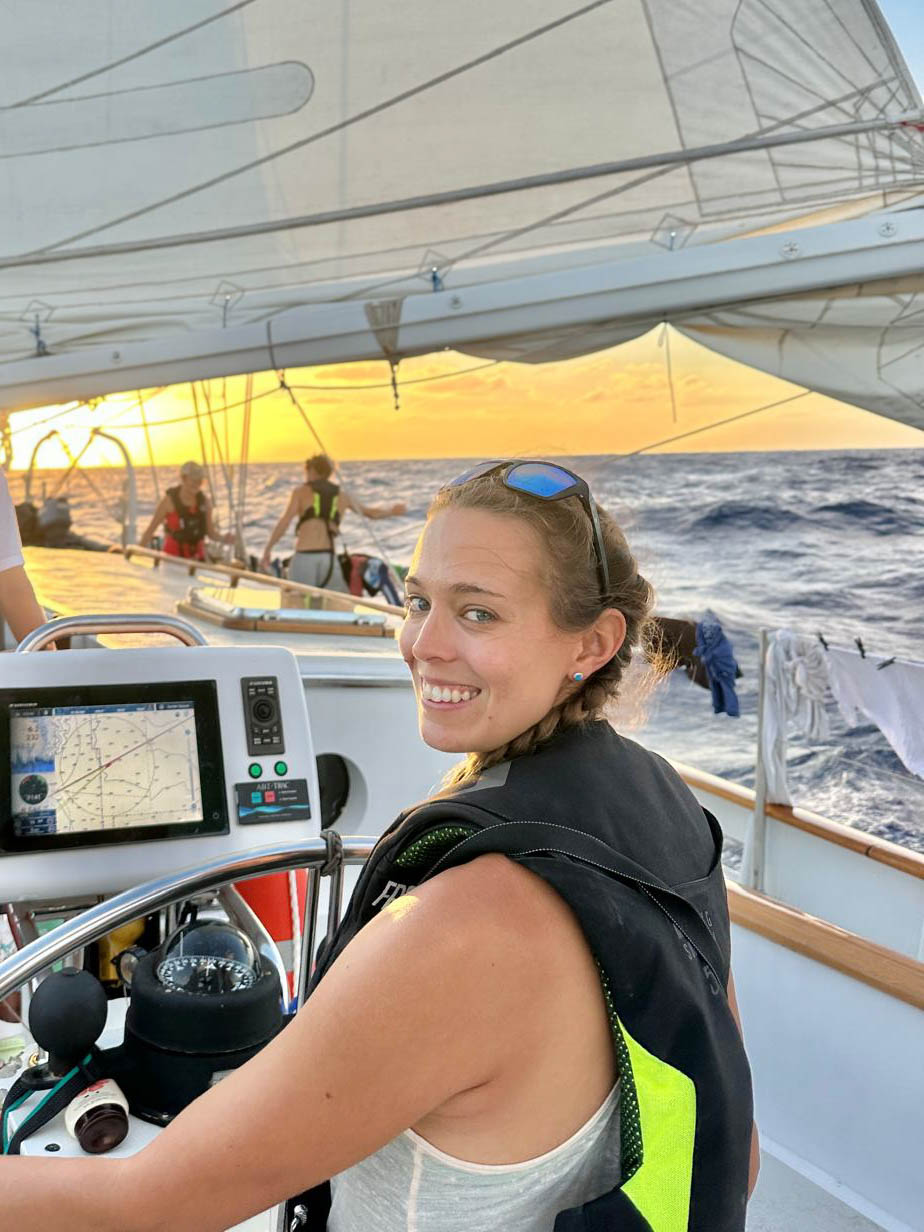
Dr Michelle Carpenter
Michelle is a marine scientist working at Aliwal Shoal. Her research focuses on mobulid rays, and her outreach work with local schools and community groups is what led to this programme.
Her aim for every intern is independence: marine conservationists who run their own projects and pass on what they have learned to the people who come after them.
I want the interns to become independent marine conservationists who pass on what they have learned.
03 · How it works
The training pathway
The programme combines pool based snorkel training, guided sea experiences, and a full internship. It runs from the greater Aliwal Shoal MPA region, where connection to the marine protected area on the doorstep remains low because of cost, access and a widespread fear of the sea.
Custom Aliwal Shoal oceanography course
Built for this reef: currents, seasons, species and the rules of the Marine Protected Area.
SCUBA certification
Delivered through ScubaXcursion in Scottburgh, so interns can work underwater safely.
Freediving certification
Breath-hold skills for shallow survey work and reef experiences with young visitors.
Citizen science and species identification
Survey method training, data recording, and photo-identification of rays, sharks and turtles.
Independent research project
Each intern runs their own project, from shark bycatch to manta ray photo-ID.
Community outreach and mentorship
Interns take the work back to schools and community groups, then mentor the next intake.
Interns come from Durban, Scottburgh, Umkomaas, Umzinto, Umzumbe, Greytown, Bloemfontein and the iSimangaliso Wetland Park.
No degree required
This is the differentiator. Interns are selected on commitment, not credentials, and the programme supplies the training that conservation work actually needs.
The lack of a degree no longer holds me back, and I am actively getting involved in my dream field.
04 · Collaborators
Who the interns work with
Interns work alongside established researchers rather than in isolation, which is how undergraduates end up as co-authors.
Dr Geremy Cliff
Co-author on the forthcoming ray behaviour paper
Dr Kaylee Smit
Inshore tidal zone survey methods training
Dr Mark Graham
River systems monitoring workshop
University of Cape Town
Dr Carpenter's research affiliation
Interns also contribute to the South Africa Manta Ray Sightings Updates network, a nationwide citizen science group collating manta photo identification data. Three interns are active participants.

Support