Learning
- Custom Aliwal Shoal oceanography training
- SCUBA certification
- Freediving certification
- Citizen science techniques
- Marine species identification
Funding for the current cohort has ended. 20 young South Africans are waiting for a place. Support the next cohort
Aliwal Shoal Marine Protected Area
Building the next generation of marine conservation leaders on the Aliwal Shoal.
The Aliwal Shoal Ocean Leadership Programme is a free, fully funded marine conservation training programme that gives young people from the KwaZulu-Natal South Coast SCUBA and freediving certification, university-level oceanography training, and hands-on research experience in the Aliwal Shoal Marine Protected Area. No university degree is required. The Aliwal Shoal Ocean Leadership Programme was created and is led by Dr Michelle Carpenter.
13
interns in the current cohort, funded for five
13
interns now SCUBA qualified
25
research dives on Aliwal Shoal, learning citizen and community science techniques
5
interns certified as SSI Basic Freediver 1
27
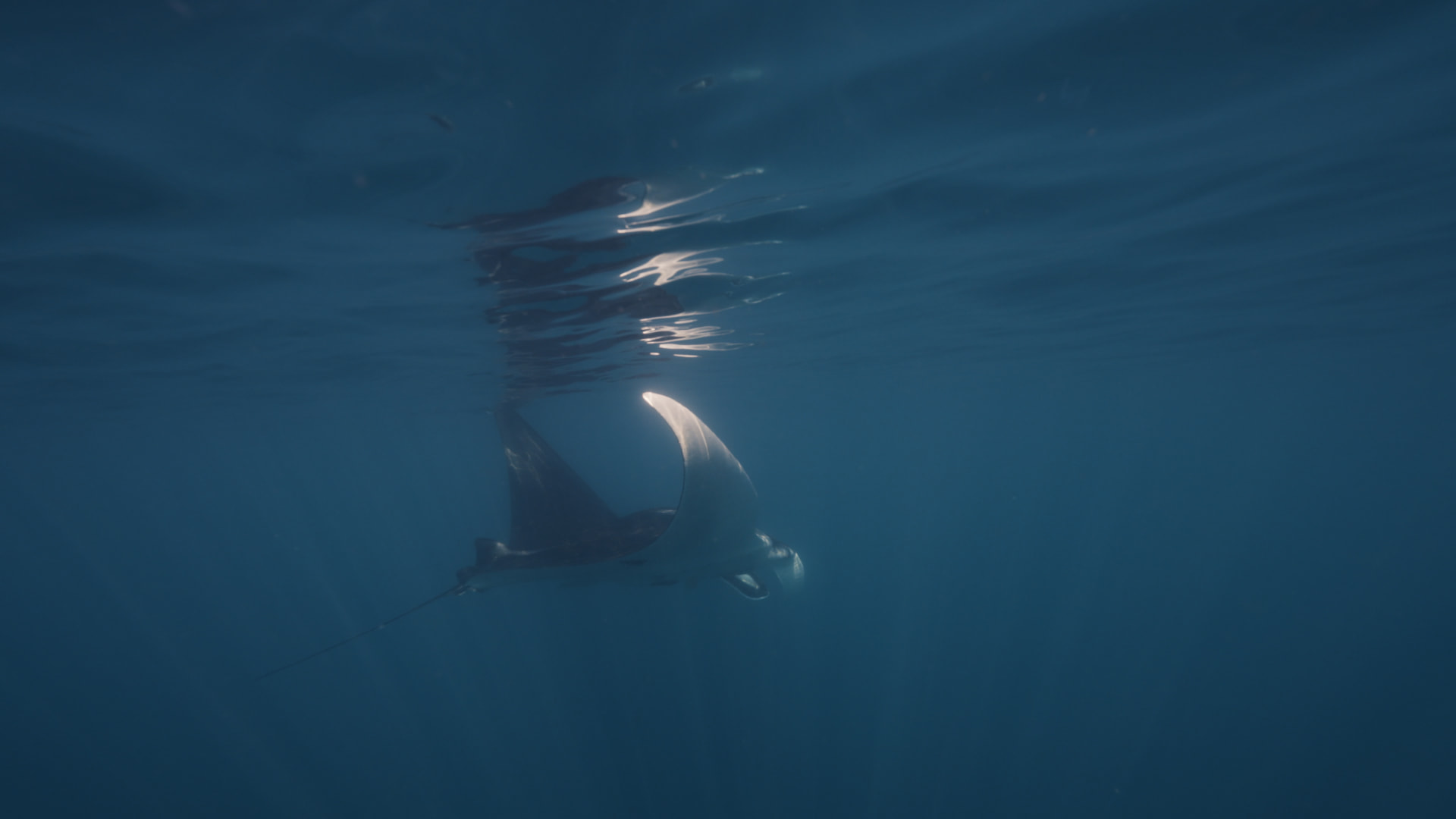
manta rays added to the national dataset
Figures from the 2026 programme, December 2025 onwards.
Figures last updated: 31 August 2026
What this is not
Marine conservation is full of programmes where young people pay thousands to participate. This is the opposite. There is no participation fee. Training, certification and time on the reef are funded, and what interns give back is the point: they run their own research, teach in their own schools, and stay in their own communities as people the coastline can actually call on. South African marine conservation has needed that capacity for a very long time.
01 · How this programme started
In 2020 to 2021, Dr Michelle Carpenter delivered 67 community and school outreach talks along the KwaZulu-Natal South Coast. The talks landed, but a gap remained: many local young people had never actually been in the water at Aliwal Shoal, five kilometres from their own doorstep.
People needed more than information. They needed access, real time in the water, and a pathway into conservation work that did not depend on a university degree.
Aliwal Shoal is one of the most extraordinary marine environments in South Africa, yet many local people have never had the opportunity to experience it or become involved in its protection.
02 · The journey
Every intern moves through the same arc: skills in the water, a voice in their community, and hands on real conservation science.
03 · The standard
The Aliwal Shoal Oceanography Course covers geology, chemistry, physical oceanography, biology and marine management. It was written and is taught by Dr Michelle Carpenter, and it is assessed. Most interns are balancing it against full time study or a job.
82%
Oceanography Exam 1, class average
86%
Biology quiz, class average
89%
Marine management quiz, class average
The programme funded six SCUBA certifications. All thirteen interns are now qualified.
Several interns covered part of their own diving costs so that more people could take a place. The programme was funded for five. Thirteen are still here, and every one of them is in the water.
04 · The pathway
Young people asked this at the end of their first trip to the reef. The programme exists because of that question.
Community youth
Ocean experience
Skills training
Conservation leadership
Future mentors
05 · In the press
06 · Support
Funded by The Rufford Foundation

Funded by The Rufford Foundation
The Rufford Foundation funds nature conservation projects led by people working in the countries where the work happens. Their grant put thirteen young South Africans through this programme.
rufford.orgSupported by
Wild Alliance Africa

ScubaXcursion, Scottburgh
Surfers Not Street Children
In collaboration with Surfers Not Street Children

Olivia Jones Communications
Communications and PR
Olivia Jones Communications has handled the programme's media outreach, securing national coverage including SABC, IOL and Good Things Guy.
07 · Questions
The answers people ask for most often, in plain text.
08 · What happens next
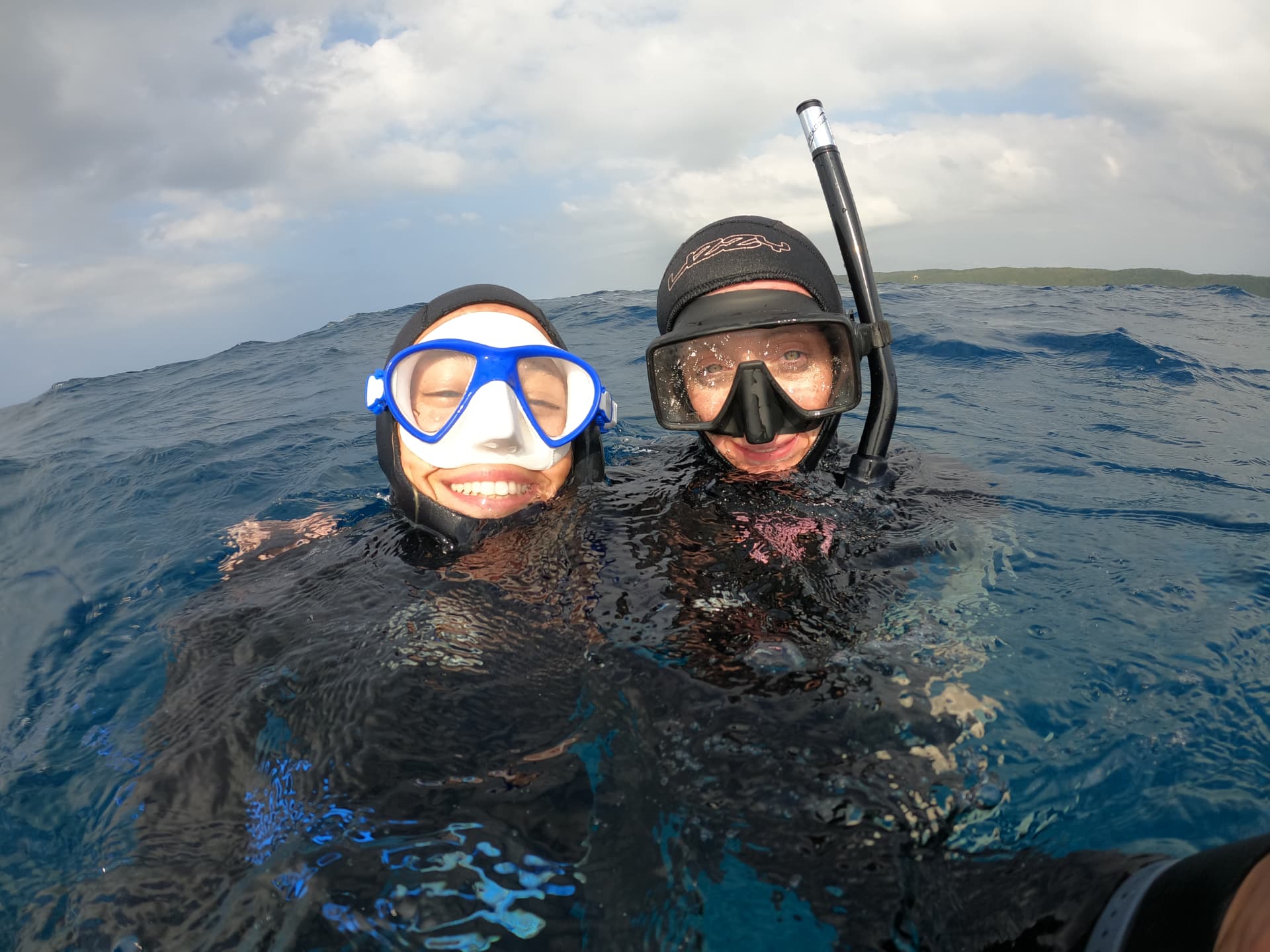
With knowing comes caring, and with caring there's hope.